

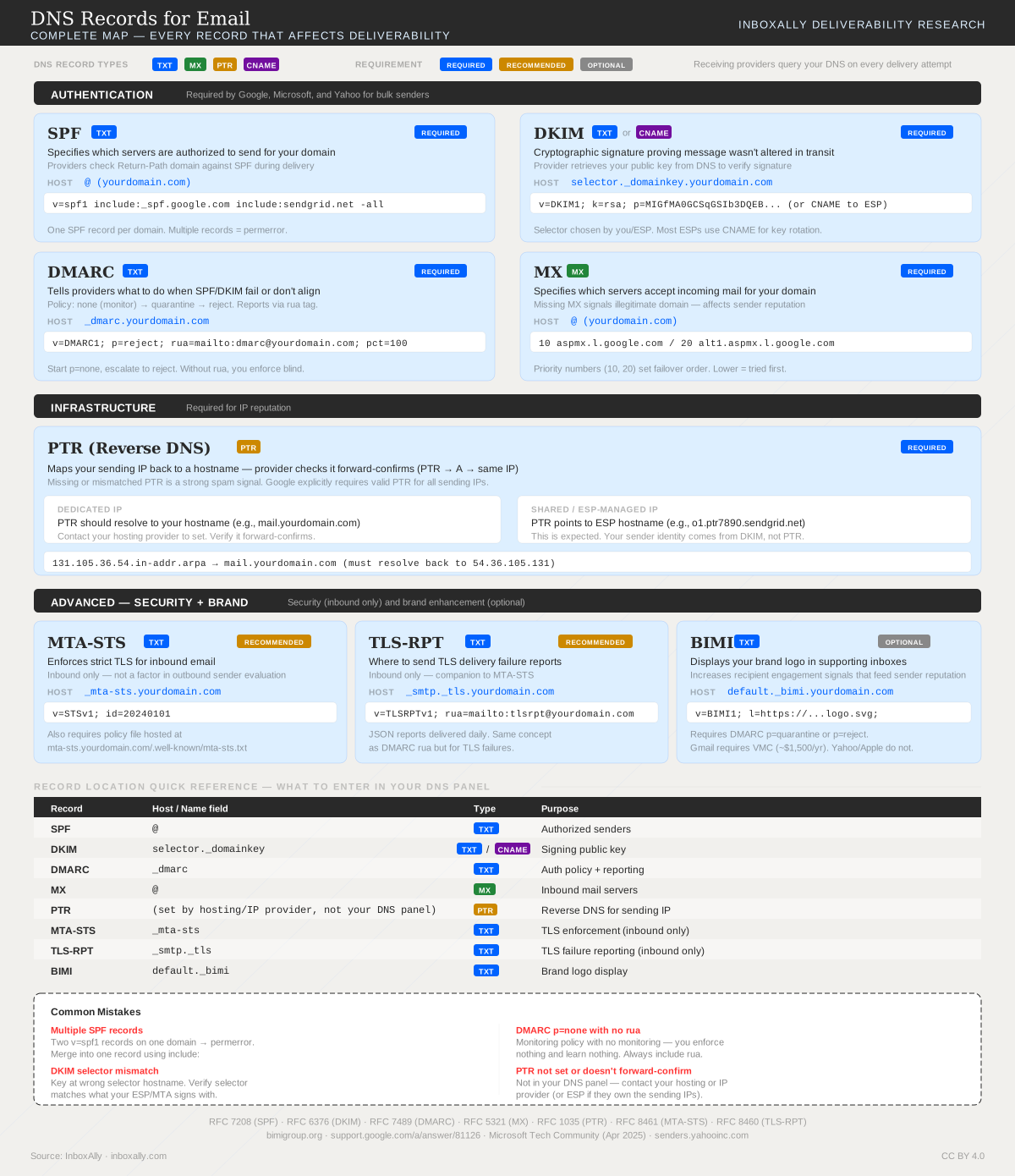
DNS Records for Email — Complete Map
Authentication protocols live in DNS. This diagram shows all eight records that affect email deliverability — where each one lives, what type it is, and whether it's required.
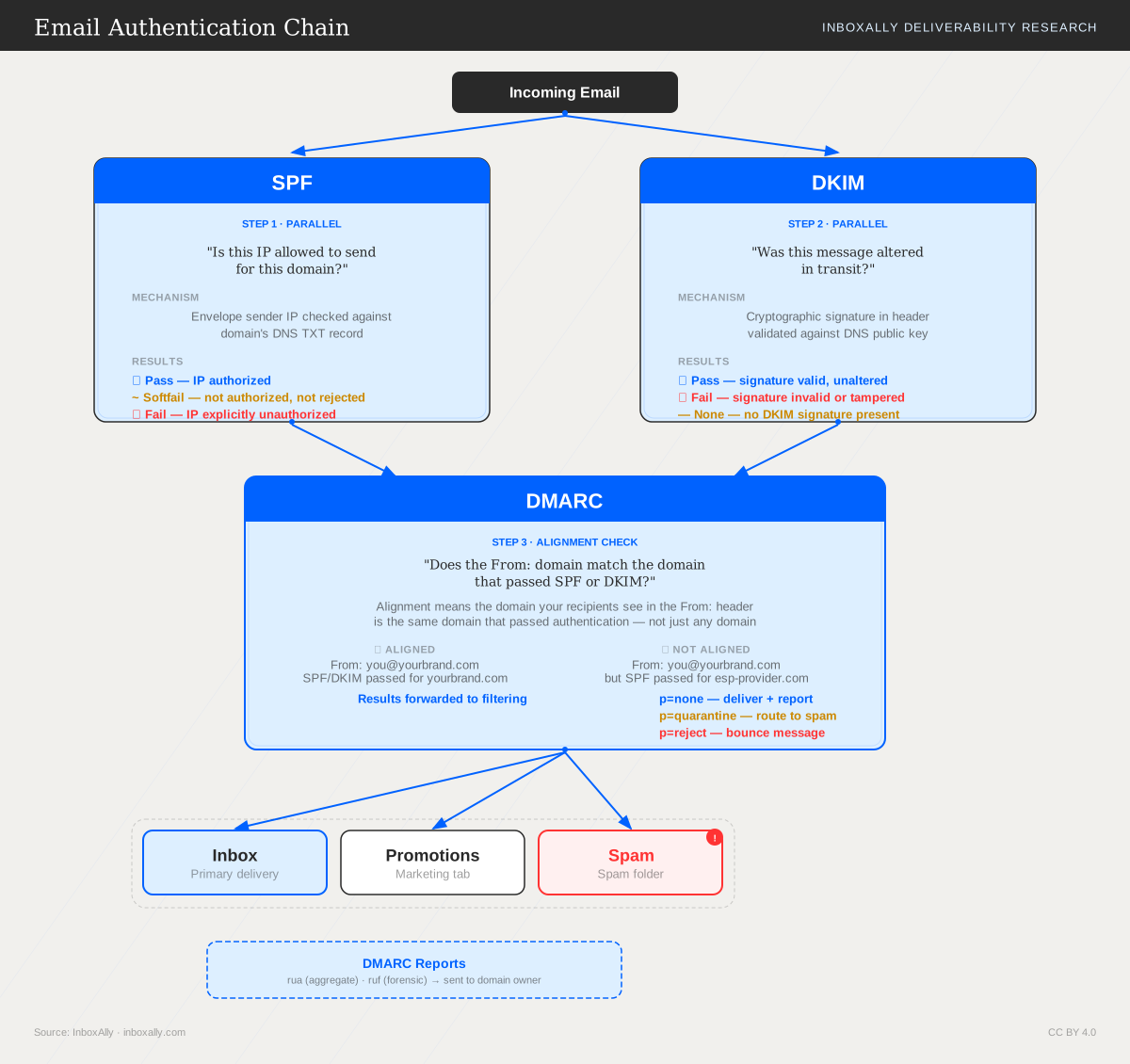
The Three Authentication Protocols
SPF (Sender Policy Framework)
SPF specifies which mail servers are authorized to send email on behalf of your domain. It’s a DNS TXT record that lists approved sending IPs.
DKIM (DomainKeys Identified Mail)
DKIM adds a cryptographic signature to each email, allowing the receiving server to verify that the message hasn’t been altered in transit and that it was authorized by the domain owner.
DMARC (Domain-based Message Authentication, Reporting, and Conformance)
DMARC ties SPF and DKIM together, telling mailbox providers what to do when authentication fails (none, quarantine, or reject) and where to send authentication reports.
Why Authentication Matters
As of 2024, Gmail and Yahoo require proper authentication for all bulk senders. Without it:
- Emails are more likely to be flagged by spam filters
- Sender reputation cannot be properly established
- Your domain is vulnerable to spoofing by bad actors
- Inbox placement rates suffer significantly
Authentication is table stakes — it won’t guarantee inbox placement on its own, but missing it will almost guarantee spam placement.
How InboxAlly Helps
InboxAlly works alongside authentication — it doesn’t replace it. Once your email authentication is properly configured, InboxAlly’s seed emails amplify the reputational benefit by generating positive engagement signals that build on the trust foundation authentication provides.