

Spam Folder Placement
Spam folder placement occurs when a mailbox provider’s filtering system routes an incoming email to the recipient’s spam or junk folder rather than the primary inbox. The email is technically “delivered” but is effectively invisible to most recipients.
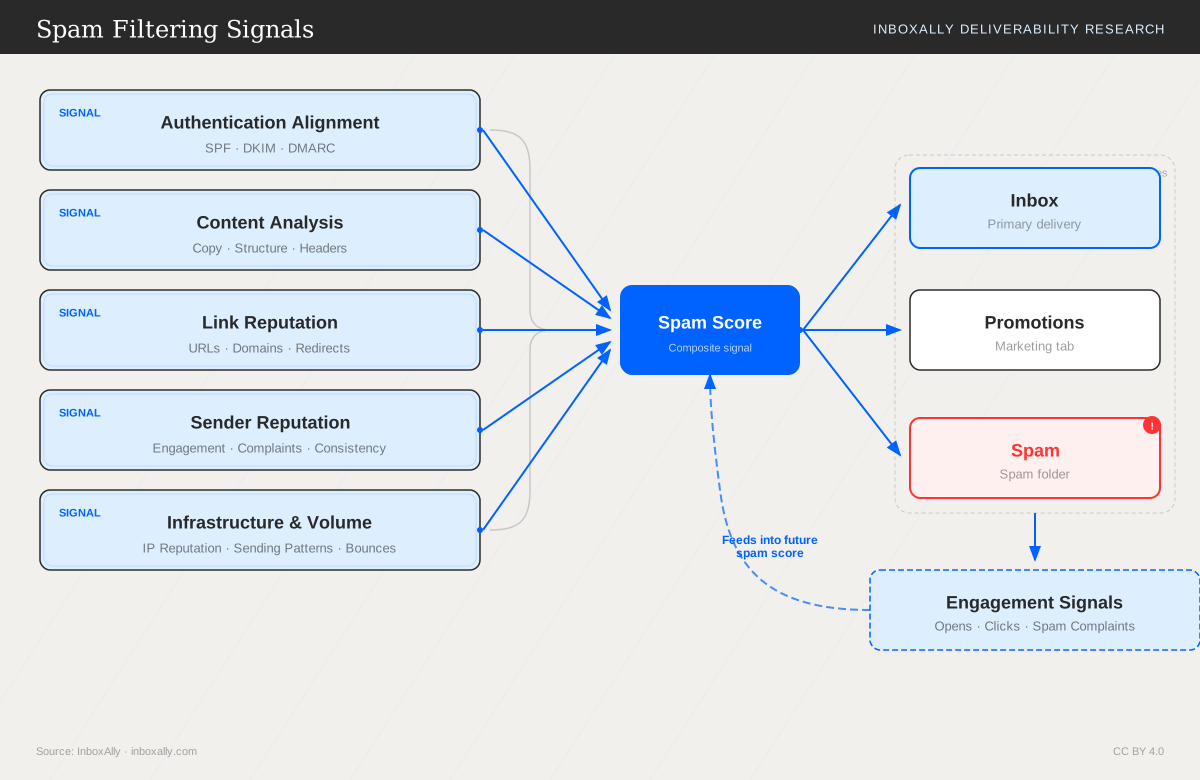
1. Authentication signals: SPF, DKIM, and DMARC pass or fail status. 2. Content signals: spam-like patterns, image-to-text ratio, misleading subject lines. 3. Link signals: suspicious URLs, URL shorteners, known-bad domains. 4. Sender reputation signals: historical engagement, complaint rates, bounce rates. 5. Infrastructure signals: IP reputation, reverse DNS, blocklist status. 6. All signals converge into a spam score that determines inbox or spam placement.
Why Emails Land in Spam
Mailbox providers route emails to spam based on:
- Weak sender reputation — the most common cause
- Low engagement signals — recipients don’t open or interact with your emails
- Failed email authentication — SPF, DKIM, or DMARC failures
- High spam complaint rates — recipients have marked previous emails as spam
- Content triggers — spam-like patterns, suspicious links, or misleading subject lines
- Blocklisting — your domain or IP appears on a blocklist
The Impact of Spam Placement
Most recipients never check their spam folder. Once your emails start landing in spam:
- Open rates drop dramatically
- Engagement rates decline further
- Sender reputation continues to deteriorate
- The problem compounds — less engagement leads to more spam placement
This negative spiral makes early detection and intervention critical.
Detecting Spam Placement
- Monitor inbox placement rates through seed testing
- Watch for sudden drops in open rates
- Check Google Postmaster Tools for domain reputation changes
- Review Microsoft SNDS for IP reputation data
How InboxAlly Helps
InboxAlly directly combats spam folder placement. When seed emails in InboxAlly’s network receive your message in spam, they move it to the inbox and engage with it — sending a powerful signal to the mailbox provider that your emails are wanted. Over time, this trains spam filters to deliver your emails to the inbox by default.